By: Ž. N. (Nova24tv)
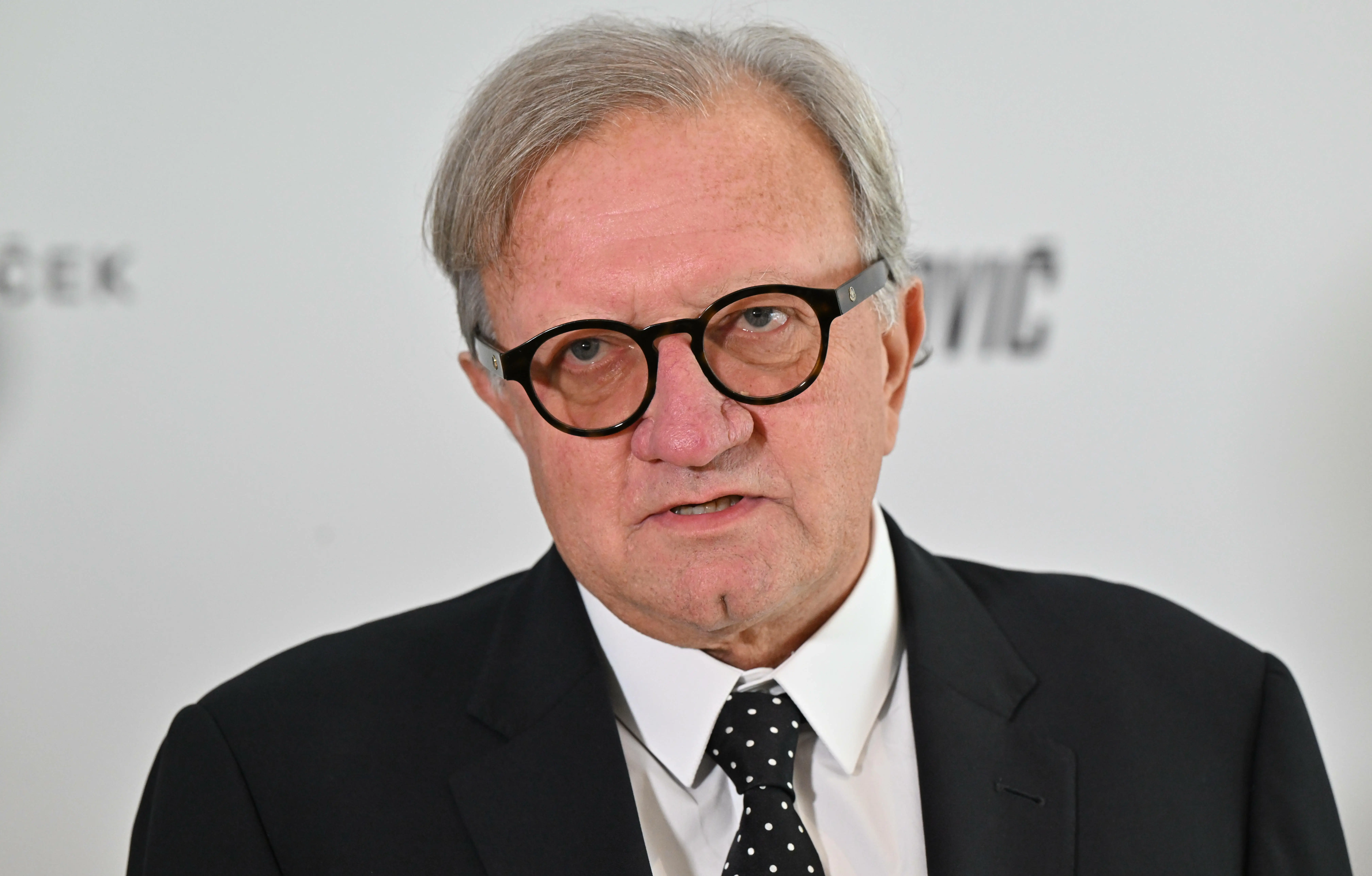
“The more successful companies and wealthy citizens we have, the more resources we can allocate to education, healthcare, pensions, and support for those who truly need it. If we create too little, solidarity can be maintained for a while through borrowing, but we cannot continue like that indefinitely. Debt is not a development model and cannot replace a strong economy,” says Dr Marko Bitenc, president of SBC – Club of Slovenian Entrepreneurs.
According to the words of Marko Bitenc, Slovenians are usually proud when an athlete earns their first million: “We understand their success as proof of talent, hard work, and perseverance.” But it is entirely different when such wealth is created by an entrepreneur. As he notes, the question often arises: What did they do wrong? “As if wealth itself were suspicious, and as if a just society could only be built by ensuring that no one stands out.”
He argues that it is time for a paradigm shift: “Slovenia must strive to have as many wealthy people as possible, and at the same time not a single poor person.” These are not contradictory goals, he says: “On the contrary: one is the condition for the other.” A social state does not survive on good intentions but on created value. He emphasises that it “needs successful companies, high‑quality and well‑paid jobs, profit, consumption, and people who can contribute more to the common treasury.” He reminds us that profit taxes, payroll contributions, and VAT do not arise on their own. “Someone must first create, develop, produce, and sell something,” he says, adding that the more successful companies and wealthy citizens there are, the more funds can be allocated to education, healthcare, pensions, and support for those who truly need it. “If we create too little, solidarity can be maintained for a while through borrowing, but we cannot continue like that indefinitely. Debt is not a development model and cannot replace a strong economy.”
He continues by saying that when speaking of wealthy Slovenians, he does not mean only a handful of millionaires, but also “entrepreneurs who can invest; employees who, through their knowledge, secure above‑average wages; families who have security; and young people who do not need to go abroad for a good life.” As he says, a wealthy society “is not a society of a few chosen individuals, but a society in which created value flows into broader prosperity.”
Wealth should not be treated as an insult
He stresses that the wrong question is whether we support capital or solidarity. Without capital, there are no investments; without investments, no development; and without development, solidarity runs out of money. “If the economy loses competitiveness, the level of public services sooner or later begins to fall. This is exactly what threatens Europe today, which has allowed too much of its industry, knowledge, and production to move to other parts of the world,” he explains, adding that for this reason wealth should not be treated as an insult. “Of course it must be created legally, responsibly, and ethically. But the profit of a successful company is not a social mistake,” he says, noting that it proves the “company created something the market needs and is usually a condition for new investments, development, employment, and higher wages.” “An entrepreneur invests their own capital, takes risks, and bears responsibility for the people to whom they provide work every month.”
Slovenia’s greatest potential is its people
Bitenc says that people, especially young people, represent Slovenia’s greatest potential. “Among them are successors who will take over family businesses and continue the work of previous generations.” He is convinced that without support, many good Slovenian companies will end up owned by investment funds or moved abroad. “The second group are young people who are only beginning to consider an entrepreneurial path. We must show them that entrepreneurship is not morally questionable, but one of the most responsible ways of creating the future,” he adds. The state must therefore create an environment where knowledge, work, and courage pay off. According to him, Slovenia needs: “predictable tax policy, efficient administration, rewarding key development staff, conditions in which innovative companies do not get stuck behind bureaucratic walls.” “We must not accept that the most capable leave Slovenia simply because they can realise their potential more easily elsewhere and are better rewarded for their work.
He also believes entrepreneurial confidence must be strengthened. The public should better understand what companies contribute to society: “An entrepreneur is not someone who takes from society. A successful entrepreneur creates jobs, pays taxes, develops knowledge, opens markets, and takes risks others are not willing to take.” SBC – Club of Slovenian Entrepreneurs, which is politically neutral but not apolitical, will support any measure that improves conditions for work, entrepreneurship, and development, regardless of which political option proposes it. “We will also be critical of measures that punish success, reduce competitiveness, or leave only new debts to future generations.”
“Our goal must not be a society in which no one has much. The goal must be a society in which everyone can develop their abilities, succeed fairly, and live with dignity,” he says, adding that wealth is not the ultimate purpose of society, but the economic foundation without which long‑term solidarity is impossible. “The real question is therefore not how to prevent some from becoming wealthy. The question is how to enable as many people as possible to succeed, and ensure that, thanks to the wealth created together, no one remains poor. That is the Slovenia worth fighting for.”