

By: C. R.
An information circulated about the International Monetary Fund’s forecast for global economic growth, including its outlook for Slovenia.
The International Monetary Fund (IMF) has slightly raised its forecast for global economic growth this year. The new projection stands at 3.2 percent, 0.2 percentage points higher than the interim July forecast and 0.4 points above the April estimate. The forecast for 2026 remains unchanged at 3.1 percent.
In its latest World Economic Outlook, published during the IMF and World Bank annual meetings, the Fund reiterates its July assessment that the global economy remains resilient in the face of rising uncertainty, driven primarily by the trade policies of U.S. President Donald Trump’s administration. Still, current global economic momentum – last year’s growth reached 3.3 percent – is weaker than before the COVID-19 pandemic, when the average global growth rate stood at 3.7 percent.
For advanced economies, the IMF expects slower growth in the coming years. U.S. economic growth is projected to slow from last year’s 2.8 percent to 2.0 percent this year, and reach 2.1 percent in 2026. The euro area is expected to continue experiencing weak growth: after 0.9 percent in 2024, growth is forecast at 1.2 percent this year and 1.1 percent in 2026. Germany, the strongest European economy, is expected to grow by just 0.2 percent this year following last year’s 0.5 percent GDP contraction, and by 0.9 percent next year, still far from impressive. France is projected to grow by 0.7 and 0.9 percent, and Italy by 0.5 and 0.8 percent, both slightly below last year’s performance.
The IMF’s economic forecast for Slovenia, which has been downgraded for the second time in a row to 1.1 percent GDP growth, is seen as a “positive surprise” by Bojan Ivanc, chief economist at the Chamber of Commerce and Industry (GZS), according to Radio Slovenia. He notes that many other institutions have issued even lower estimates.
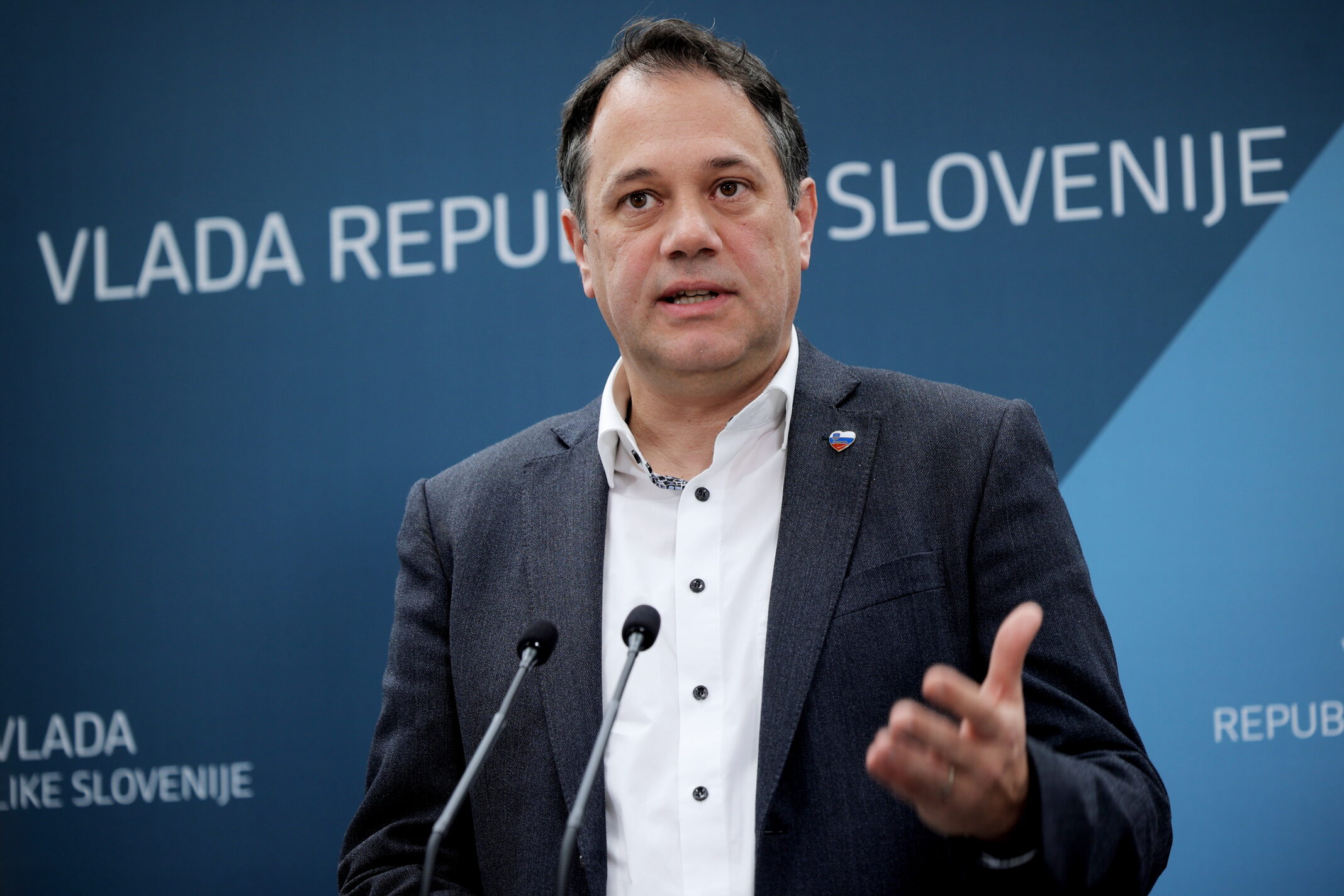
Deputy Prime Minister Matej Arčon, meanwhile, insists that despite the downgrade, experts believe Slovenia’s economy is in good shape and functioning well. “International credit ratings also bring encouraging news, showing that Slovenia is on the right track and that the measures adopted by the government and parliament are positive and beneficial for citizens,” he added.