

By: Spletni časopis
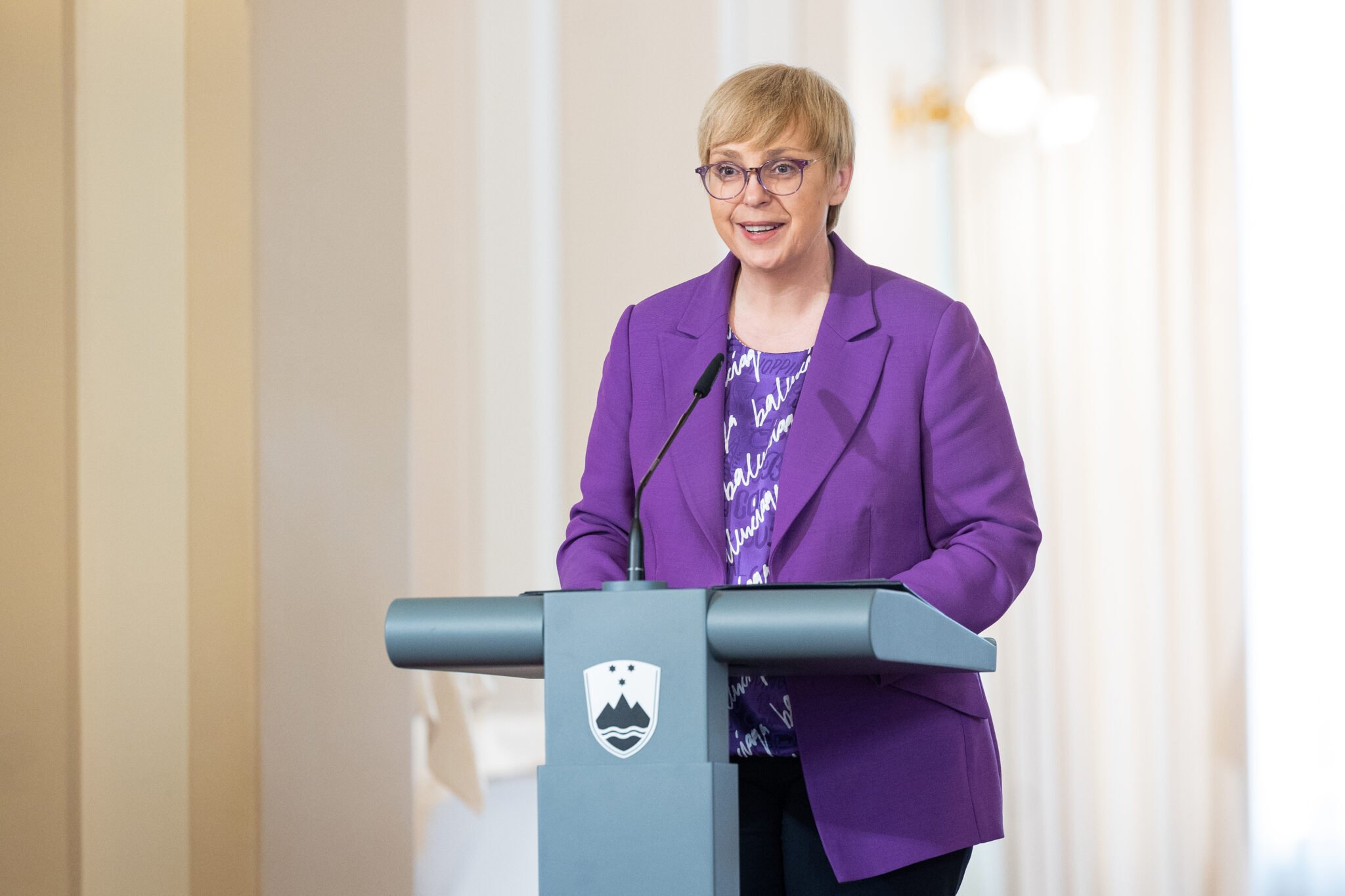
After already calling parliamentary elections, Nataša Pirc Musar today proposed to the outgoing parliament that Simona Drenik Bavdek, known from the arbitration scandal in which her amateur conduct caused the country significant damage, be appointed Human Rights Ombudsman, Primož Dolenc be appointed Governor of the Bank of Slovenia, and three candidates be appointed to the Constitutional Court: Tamara Kek to replace Matej Accetto, whose term ends on 26 March 2026; Marko Starman to replace Klemen Jaklič, whose term ends on 26 March 2026; and Barbara Kresal to replace Rajko Knez, whose term ends on 24 April 2026.
The country has been without a governor since January 8 of last year, when Boštjan Vasle’s term expired. Since then, the bank has been led by Dolenc as deputy governor. The reason we still do not have a governor is that Robert Golob and his coalition tried at all costs to appoint state secretary Saša Jazbec as governor, but Pirc Musar was not willing to propose her. Now the ruling parties are in a hurry, because otherwise the next, more right‑leaning parliamentary majority, likely led by Janez Janša (SDS), will appoint the governor. In the case of a right‑wing majority, the candidate for Human Rights Ombudsman, Simona Drenik Bavdek, would have fewer chances of being elected. She is considered an expert, but during the border arbitration with Croatia she served as Slovenia’s agent before the arbitration tribunal in The Hague and was at the centre of a scandal that harmed the country.
Croatian media (Večernji list) published recordings of telephone conversations between Drenik and the then‑Slovenian arbitrator Jernej Sekolec. The conversations revealed discussions on how to influence the other arbitrators. Sekolec disclosed details from confidential judicial deliberations (which should have remained strictly secret) and instructed her to have Slovenia later “insert” certain documents into the case file to support Slovenia’s positions. Arbitration rules strictly prohibit any informal communication between state representatives and arbitrators. The conversations took place over an unsecured landline while Drenik was in Vienna, a serious mistake, as the calls were recorded by foreign intelligence services (likely SOA). In Slovenia, the affair sparked debate about why the two were not better trained in security protocols. Immediately after the scandal broke, both Simona Drenik and Jernej Sekolec resigned. Croatia used the affair as justification for its unilateral withdrawal from the arbitration agreement, claiming the process had been irreversibly contaminated and compromised. Because of this, the border issue remains unresolved to this day. The only positive aspect is that the arbitration agreement, originating from decisions of Borut Pahor’s government, was not particularly favourable for Slovenia.
We have also been without a Human Rights Ombudsman for a year, because the ruling parties failed to reach agreement with Pirc Musar, and even less so with the opposition. Peter Svetina’s term ended on February 23, 2025, and since then the institution has been led by deputy Ivan Šelih.