

By: Spletni časopis
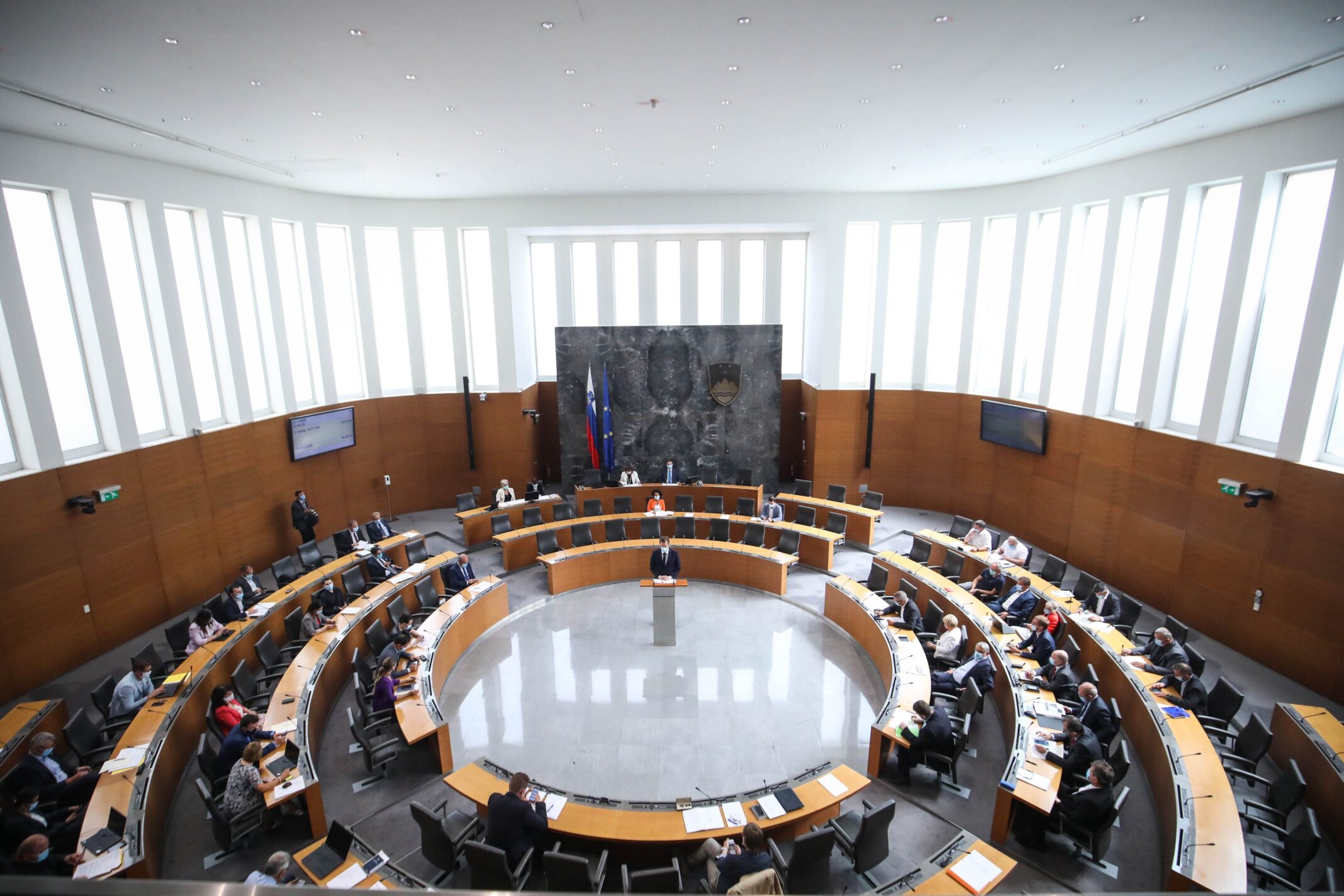
MPs from Svoboda and SD have, through the fastest possible procedure, approved the sixth emergency intervention law to “fix” healthcare in this parliamentary term.
The Law on Additional Intervention Measures in Healthcare reached parliament from the government on December 4, and today it was already confirmed in its final reading under the urgent procedure. In addition to the opposition, MPs from the coalition party Levica also voted against it, as Nataša Sukič argued that part of the changes are directed against the working class, tightening rules on sick leave. The doctors’ union Fides stated that the latest “intervention” does not solve the acute staffing shortage, does not improve access to care, and further burdens providers with bureaucratic measures.
But Svoboda and SD hold a majority in the National Assembly on their own. With the two minority representatives also voting in favour, the vote ended with 46 in favour and 25 against.
Jelka Godec announced SDS’s opposition for much broader reasons than Levica. She argued that the flood of intervention laws proves that the government of Robert Golob and the coalition have not carried out a healthcare reform, but rather dismantled the public healthcare system. “With this and all previous intervention laws, the government admits it has botched things and caused the poor situation for which it is responsible together with the coalition, and now wants to fix everything in a rush with yet another intervention law. They are correcting a mistake with a mistake.” She added that the “famous” healthcare reform caused doctors to leave, leaving patients without care. “And today you are again adopting the sixth intervention law to stabilise the healthcare system, which according to the prime minister you have already stabilised,” she warned. Iva Dimic (NSi) explained her opposition to the latest “intervention” as follows: “To improve healthcare in Slovenia, all available capacities must be used, regardless of the provider, for everyone waiting beyond the permissible time. You have chosen a policy of hunting down doctors who work more; let whoever can understand this. Unfortunately, people will wait even longer.”
The doctors’ union also opposes the law. After its adoption they stated: “The law does not address the serious situation in emergency centres across the country, nor does it improve access to care. Although the law foresees an increase in the bonus for specialisation in emergency medicine, it applies only to doctors who will begin their specialisation in 2026 and 2027, which means unequal treatment of current trainees and does not solve the staffing shortages already present. Such an arrangement creates differences between doctors doing the same work and may further increase dissatisfaction among young doctors, which is why we support the Medical Chamber’s proposal to expand eligibility.” The union also warns that under the new rules, a registered nurse will only be able to prescribe medical devices, but will no longer be allowed to issue certificates for short-term justified absence from work due to illness, care, or accompaniment. This reduces the scope of existing administrative relief for doctors, while expanding the powers of the Health Insurance Institute of Slovenia in supervising the professional justification of healthcare services. Although the new paragraph foresees the possibility of appeal to a special commission, the Medical Chamber warns that such oversight exceeds the scope of insurance-related content and may interfere with clinical judgement. Such an arrangement is not properly balanced with the protection of professional autonomy and may encourage defensive medicine and additional bureaucratisation. According to Fides, “effective oversight must not be based on formalistic checking, but on clear professional standards and safeguards for providers.”


