

By: Peter Jančič, spletnicasopis.eu
Zdolšek’s “kiss of death,” described by the weekly Mladina as a dangerous conflict, has turned into an attempt by Robert Golob to have lawyer Stojan Zdolšek rescue him from troubles with the judiciary and the Commission for the Prevention of Corruption, troubles stemming from multiple purges he carried out in the police, media, and state-owned companies, as well as weekend stays with Tina Gaber at businessman Subotič’s villa in Istria, while simultaneously assigning him positions within government subsystems. All signs point to a new purge targeting disobedient journalists, this time those from Tarča. Mladina’s assessment that this is Zdolšek’s kiss is incorrect. Deliberately incorrect. The lawyer works for his client – Golob.
A dangerous entanglement, one that belongs to Golob, not Zdolšek, occurred just as Vladimir Prebilič was founding his new party, Prerod, which could siphon off a portion of Golob’s and Svoboda’s voters. The additional purge at TV SLO, which now appears imminent, will not help Golob in his ongoing election campaign either. Editor of Tarča Boštjan Kogovšek could be ousted, journalist Vanja Gligorović, young, inexperienced, and therefore vulnerable, might be targeted, and Erika Žnidaršič could face pressure to work for Golob rather than against him. Rumours at RTV suggest Boštjan Anžin is already poised to step in alongside Erika, if not replace her entirely, under director Ksenija Horvat.
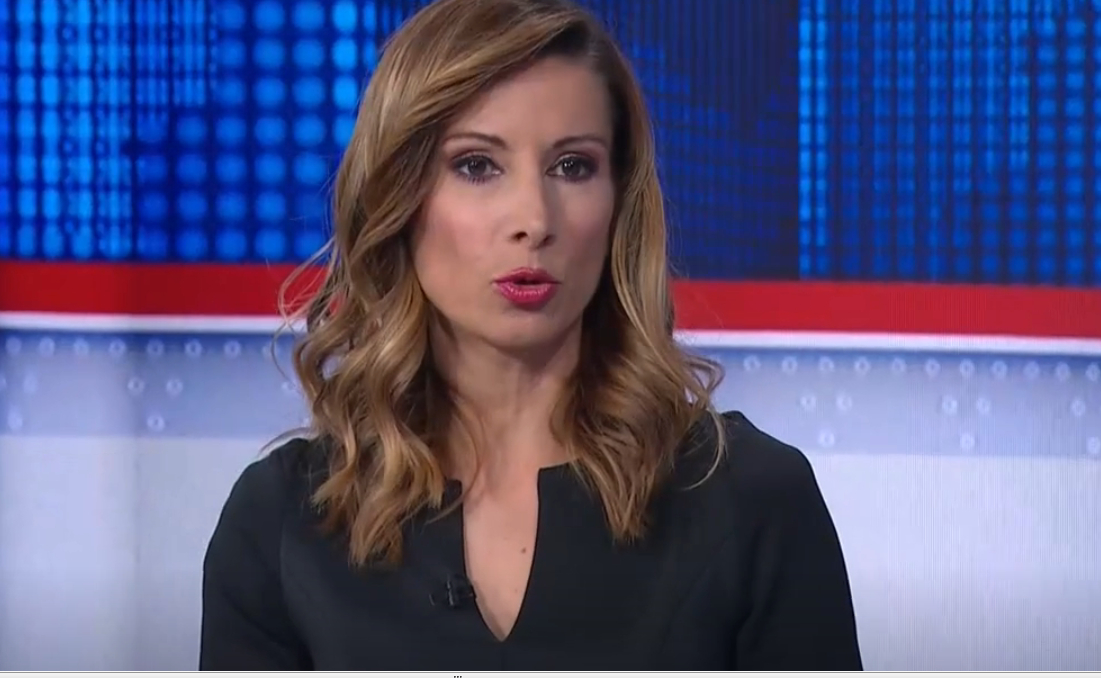
Tarča and Gligorović revealed more than expected during the week Zdolšek lost his temper. Hence the fury. They sought a response to the latest draft findings from the Commission for the Prevention of Corruption (CPC) regarding Golob’s purges and vacations, which had been sent to him. Golob redirected all journalists to Zdolšek, claiming only his lawyer would comment. Golob himself was unprepared. Zdolšek, the person journalists were sent to, then refused to engage. That is called: stringing people along. The Tarča journalist insisted that Zdolšek must present the Prime Minister’s side. She refused to be strung along. She took the head of government seriously. A grave mistake.
In fact, she acted correctly, exposing the improper conduct of other journalists and media outlets. That is why she is now under attack. It is likely that at a briefing for selected editors at the government palace, where Zdolšek was also present, Golob had already hinted at how to write about the awkward CPC findings. But Gligorović and Erika Žnidaršič were apparently left out of these under-the-table arrangements.
I also commented on this situation Friday on Ura Resnice, comparing developments here to leadership practices in Serbia.
Zdolšek expelled the “wrong” journalist, and thus the editorial team. Publicly, he explained that it is his private business whom he gives statements to on behalf of the Prime Minister. In doing so, he implied that POP TV and TV SLO are private ventures. Others have no access. And he can kick them out at any time. The big boss, for Robert Golob.
A kiss of death.
Later, Golob’s camp denied having anything to do with it. Zdolšek was supposedly acting on his own. If you believe that.
But key details suggest this was by no means a private matter or the independent action of a lawyer. Zdolšek met privately with POP TV journalist Žana Vertačnik. POP TV is the most-watched television station, with a significant portion of its revenue coming from state-owned Telekom, where Golob installed his own leadership through a purge and allegedly helped secure a multimillion-euro increase in funding for the top-rated station ahead of elections.
TV SLO journalist Rok Šuligoj also met privately with Zdolšek. At RTVS, Golob carried out a purge as well, installing directors and editors, and has been sending tens of millions of euros there for years, outside the state’s budget plans, because otherwise they would run out of money for salaries. He even raised the public contribution by ten percent.
That is how he keeps them on a leash.
An important detail is that Golob appears on both of these television stations in oddly synchronised interviews, where the questions differ but his answers are nearly identical propaganda messages.
The presence of these two media outlets in all these instances cannot be explained other than by a silent agreement with the Prime Minister, a deal made at the expense of other media, which are excluded as irrelevant, and at the expense of the opposition, which is denied equal opportunity for simultaneous promotional appearances on these channels.
Zdolšek has now adopted the Prime Minister’s approach, likely with help from government PR staff. But things went awry because two “wrong” journalists were present: Vanja Gligorović and Vladimir Vodušek. Why Zdolšek allowed Vodušek in is unclear, but alongside Gligorović, he was the only one who actually did journalistic work. Vodušek is known for recording and publishing everything.
The sharp confrontation, when Zdolšek entered the office and nervously expelled the “wrong” journalist, was recorded and published. It was the only noteworthy event in Zdolšek’s law office. POP TV and TV SLO concealed this significant twist from their viewers. For them, it was not a story.
The journalists, along with their editors, acted like the reporter in the anecdote who tells his editor to fill the space with an ad because he cannot write about the theatre performance – the theatre burned down, the building collapsed, he had to flee, some actors and audience members ended up in the ER due to smoke, and there were even fatalities. The editor coldly replies that he is right, there is really nothing to report.
Vertačnik and Šuligoj reported as if they were working for Golob and Zdolšek, not for their viewers.
And Golob does, in fact, pay them.
This image is far from flattering, especially amid corruption allegations being investigated by the CPC. It adds to the impression of corrupt abuse of power.
Janez Drnovšek and Janez Janša, in similar situations, dared to personally respond to journalists. Janša even addressed far more outrageous CPC accusations in parliament, when politically appointed Goran Klemenčič, formerly deputy to Interior Minister and LDS leader Katarina Kresal, was toppling the government by breaking the law and denying Janša the right to respond to serious accusations, which he was legally entitled to. The court later ruled that Klemenčič had violated the law, definitively and with final judgment. He was in a rush and disregarded the law. The head of the CPC.
And he succeeded in toppling the government.
The CPC has now offered Golob the opportunity to respond. They are acting correctly, respecting the law. And the accusations concern recent events, not ones from decades ago, as in Janša’s case.
Yet panic has set in.
The disgrace of the two television stations and the Prime Minister was softened by the left-leaning political weekly Mladina, which attacked Zdolšek and the Tarča journalists, even though Tarča was praised to the skies during the previous government, when it targeted Zdravko Počivalšek with biased and unprofessional conduct in favour of the political left, which was then in opposition. And Žnidaršič’s leadership at RTVS at the time, accused of being subordinate to Janša, was neither dismissed nor purged.