

By: C. R.
The parliamentary group of the Slovenian Democratic Party (SDS) submitted a request for a joint emergency session of the Committee on Health and the Committee on Labour, Family, Social Affairs and the Disabled, to discuss the topic “Quality medical devices are too expensive and inaccessible for many citizens.” The purpose of the debate was to highlight the real problems faced by people who urgently need medical devices and to present proposals for measures to improve their situation.
SDS points out that in recent years many social rights have expanded in Slovenia, yet too often those who most need support are overlooked. The disabled, the blind, the visually impaired, the deaf, the hard of hearing, and many others face high co‑payments, lengthy procedures, and limited access to quality medical devices. Although the law guarantees them the right to such devices, in practice they are often unattainable without heavy financial burdens. Low‑income individuals are therefore forced to choose cheaper, lower‑quality products that do not provide adequate functionality.
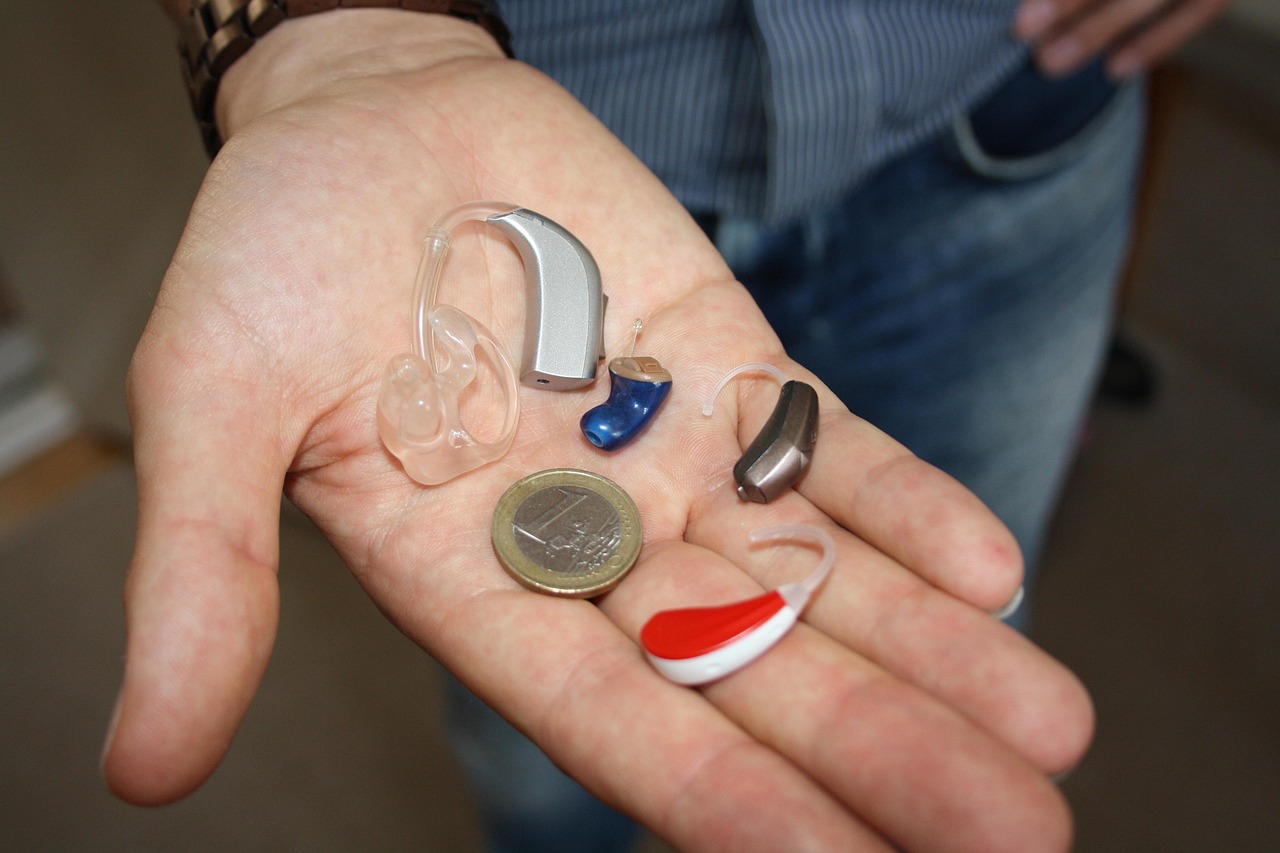
Experts and user representatives invited to the debate clearly warned about poor access to quality devices and the fact that the existing system leaves many without necessary support. They pointed to examples such as non‑functioning ramps and elevators for the disabled at railway stations and restrictions in access to public transport, showing a broader systemic problem. Despite these warnings, the governing coalition rejected SDS proposals aimed at easing access to glasses, hearing aids, and wheelchairs, and at reducing the financial burden for the most vulnerable.
Instead, the coalition adopted its own proposals, which do not address the key problems raised by users and professional organisations. Particularly concerning was the statement of the state secretary of the responsible ministry, who said he saw no problems and that the system was well designed. Such a position is in complete contradiction with the reality faced daily by thousands of people who struggle with obstacles, inaccessibility, and high costs for basic devices they need for a dignified life.
SDS believes that in times of inflation and growing social vulnerability, the state must take a step forward and ensure a fairer and more practical system of access to medical devices. Since all citizens contribute to the health fund and pay mandatory contributions, they must in return have real access to devices that enable independence and full inclusion in society.
Therefore, SDS proposed four concrete measures:
- Increase the reimbursement share of the Health Insurance Institute (ZZZS) for glasses by 20 percent.
- Increase the reimbursement share for hearing aids by 30 percent.
- Lower the age threshold for the right to corrective glasses from 63 to 60 years.
- Review the criteria for classifying standard and non‑standard wheelchairs, and include electric wheelchairs up to €4,000 among standard devices.
“These measures are not a luxury, but necessary steps to reduce inequality and ensure the basic conditions for a dignified life. Our aim is clear: we want a health and social system that truly works for people and gives them access to the devices they need for their health, mobility, and everyday independence,” SDS emphasised.