

By: Peter Jančič (Spletni časopis)
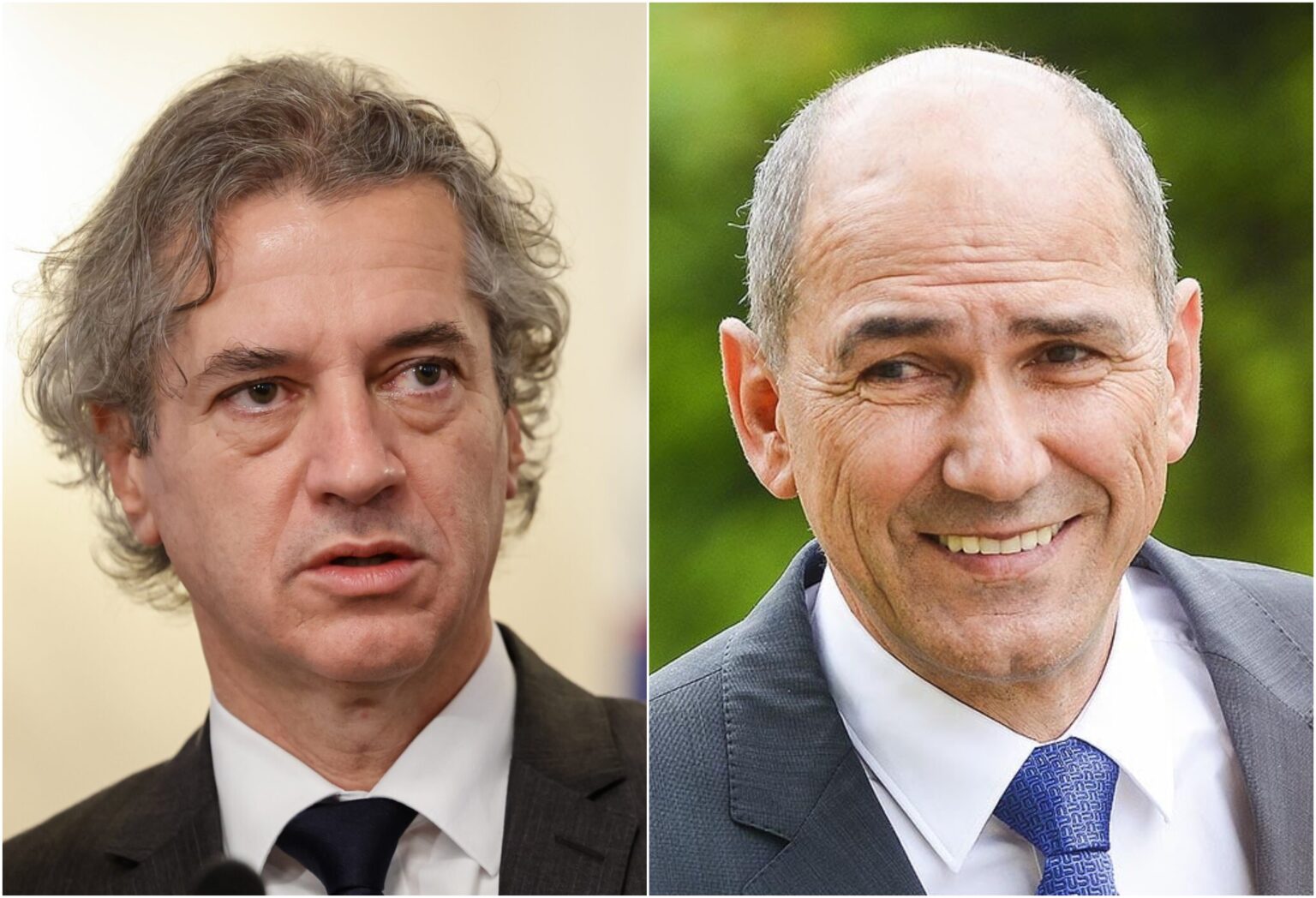
Robert Golob’s Freedom party, at 20.8 percent, has surprisingly not gained support after the debacle over the referendum on “assisted voluntary end of life,” according to Mediana’s poll for POP TV. Compared with the agency’s previous surveys for TVS and Delo, the party would have collected 23.7 and 21.7 percent.
In the past we have already witnessed such “miracles,” when Freedom, though a loser, still managed to gain. This time, however, Freedom has even lost a little compared to before. Far ahead remains Janez Janša’s SDS at 28.6 percent, though it too has slipped slightly compared with Mediana’s last survey for TVS, when 30.3 percent of voters would have chosen them. Well behind, in third place, is Matjaž Han’s SD with 7.2 percent. The position is less favorable for Levica, which Mediana this time measured together with Vesna; the two parties combined would barely make it into parliament. That is a considerable debacle. It is possible that some votes shifted to Miha Kordiš’s party We, Socialists, which would collect 2.2 percent. Meanwhile, in the bloc of radical protest parties, Zoran Stevanović’s Resni.ca would remain below the threshold for entering parliament, whereas in previous surveys it was well above. One could therefore conclude that the fallout from the referendum debacle hit this party hardest, even though it was not a player in the events at all.
Another player has jumped ahead, despite having no serious role in the referendum: Vladimir Prebilič’s Prerod, which at 6.3 percent overtook Jernej Vrtovec’s NSi at 5.8 and Anže Logar’s Democrats at 5.4. NSi recorded its weakest result in recent months, in line with the rule that winners in our agencies’ polls tend to lose afterward. This time, however, Tina Bregant’s SLS performed well, landing just below the threshold for entering parliament.
Mediana, in recent years, has dramatically missed forecasts of the European elections and both referendums, on astronomical pension supplements for state-privileged cultural figures and on state assistance in suicides. Other agencies have fared no better. Poll results must therefore be read with great caution. It cannot be excluded that they are attempts to manufacture public opinion for political clients, and that the actual balance of power is completely different, as it was in the EU elections and both referendums.
Longer-term comparisons across several agencies show SDS far ahead, the ruling Freedom party trailing considerably, and a large cluster of parties well behind, each with similar shares. These could become important in the coming years, or remain below the threshold.
Much will depend on the campaigns in the months ahead.
In the charts and article in Spletni časopis, party support shares are recalculated so that only voters who identified with a party are taken into account. This allows comparisons with election results and across surveys. Among those counted as “party-identified” are also respondents who chose “other” parties, typically ones not offered in the questionnaire but mentioned spontaneously. The original support shares from various surveys, as published by the media and serving as the basis for recalculations, are presented in tables (all tables can be enlarged by clicking).
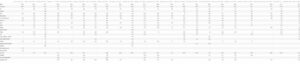

I provide all the data that formed the basis for recalculations, because this makes it easier to understand differences between surveys and also allows verification of whether any errors may have occurred in the transfer or processing of data.


