

By: Vida Kocjan
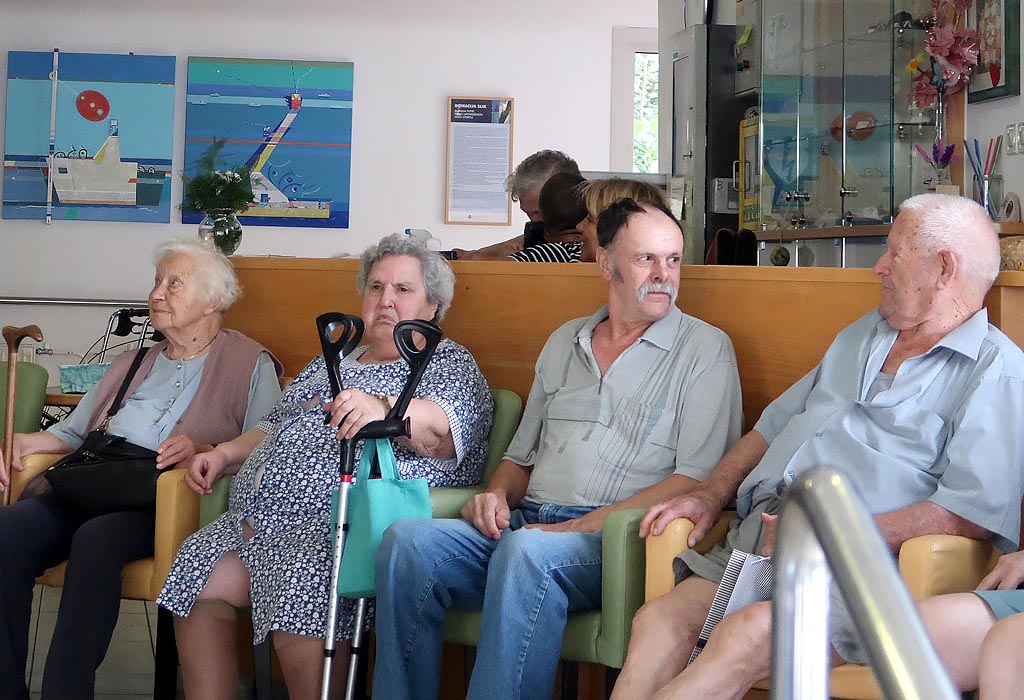
According to available data, nursing homes in Slovenia are short around 340 workers, which has left approximately 8,000 beds empty. Only 9 percent of job postings for nursing aides and caregivers are successful, and in the next five years, 17 percent of the current staff will retire.
The system is collapsing, the situation is deteriorating, and there are currently 19,477 pending applications for admission. The N1 Slovenia news portal reported at the end of April that one home had 296 job ads and not a single hire. Complications also arise when qualified workers arrive from abroad. Homes are increasingly turning to contract workers and freelancers, which makes scheduling difficult. Some homes – such as the one in Nova Gorica – have warned that without additional staff, they cannot provide long-term care services. Other homes report inability to deliver in-home care services or extremely long waiting lists.
There are also warnings about unacceptable practices, such as lack of basic hygiene services (e.g., bathing only once per week, diaper changes less than 3–4 times per day) and inadequate medical care. There is also a shortage of dental services, further diminishing residents’ quality of life. The Ministry of Health has announced a pilot project to address this, but few believe in its success, given the ministry’s current track record and leadership.
Space shortages and outdated infrastructure
The COVID-19 pandemic exposed numerous spatial shortcomings, including multi-bed rooms (3 to 5 beds) and poor ventilation, making infection control difficult. The Janša government had made serious efforts to improve living conditions in nursing homes and also secured European funding for it. In 2021, it provided €73 million from the REACT-EU fund to improve living standards and €30 million for new beds.
Financial difficulties
In 2024, more than 40 percent of homes operated at a loss, further limiting investment in improvements. In recent years, complaints have also mounted over rising care costs for residents who require more assistance. Some homes have appealed to the Ministry for a Solidary Future, headed by Simon Maljevac (Levica). The home for the elderly in Novo mesto even sent detailed letters about their problems directly to the Prime Minister’s Office. Neither Maljevac nor Golob’s administration responded. No replies, no visits – nothing. Only the Ministry of Health offered a token response, with no concrete support.
Few dare to speak out
Directors and board members of nursing homes tend to be cautious when speaking about conditions. During Robert Golob’s government, there were numerous leadership changes in homes and governing boards, often replacing previous directors and board members with appointees from Levica, and in some cases, Gibanje Svoboda, depending on coalition agreements.
One of the few to speak publicly and openly about the crisis is Zlata Marin, director of the Centre Retirement Home in Ljubljana. Marin has frequently spoken about the staffing crisis and systemic challenges in ensuring quality care. In an interview with Nova24TV, she said: “Wherever you turn, no one responds,” describing the difficulty of finding personnel, including hiring foreign workers. She proposed that the state invest in providing housing for staff, stating: “So that the staff we bring in would have guaranteed accommodation.” She emphasised that nursing homes lack caregiving personnel, which directly affects the quality of care.
She also stressed the need for systemic solutions, such as better wages and working conditions, to attract and retain quality staff. She pointed to bureaucratic obstacles that hinder the employment of foreign workers.
The Kamnik Retirement Home (DSO Kamnik) faces the same problems as others, according to media reports. Despite efforts to hire more workers, job postings often fail. Like most homes, it depends on public funding and resident payments, which limits the ability to invest in modernisation. Slovenia could greatly benefit from efficient use of EU funds in this area, but the current government is completely ineffective.
Zlata Marin’s statements about the staffing crisis and need for systemic reforms also clearly apply to DSO Kamnik. Proposals like providing accommodation for employees could help attract staff to Kamnik, where demand for workers is also high.
Another open wound of Golob’s government
The Long-Term Care Act is another open wound affecting institutional and in-home care. Starting July 1st, veryone will begin paying a mandatory contribution, but will receive nothing in return. Minister Maljevac recently admitted in front of craftspeople and business owners that the government would be “collecting money in advance.” It is clear that nothing will improve anytime soon – certainly not under the current government.