

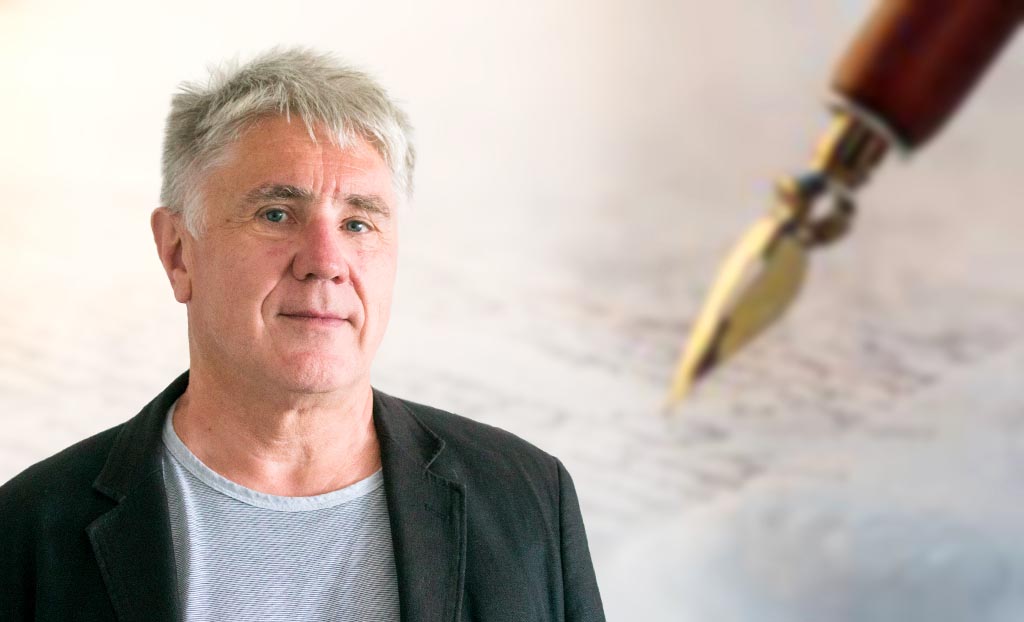
By: Miro Petek
In about a month, it will be twenty‑five years since they came to my doorstep and tried to kill me. What followed was a long saga of searching for the attackers, the masterminds, and the financiers; a drama of arrests and imprisonments; a disgraceful trial with an equally disgraceful ending; threats to witnesses; witnesses changing their statements in exchange for generous financial rewards; journalists being bought to write what they were told; and political interference with a clear instruction: the potential perpetrators, those who could lead to the masterminds, must not be exposed or punished. And the message sent was that in Slovenia, crime and wrongdoing pay.
I was incredibly lucky to survive. Aleš Šutar was not. Šutar was killed, and today he can no longer defend himself. Grief is slowly fading, and the anger of the people who gathered in the square in Novo Mesto is no longer as sharp as it was a few months ago. In parliament, during the adoption of the law, we listened to lofty hymns of compassion and humanism from Slovenian politicians, along with promises that from now on everything would be different, that such things would never happen again. But the police and the prosecution are writing their own drama of absurdity and shame.
After this tragic event, Prime Minister Golob ordered the police to arrest the attacker, or attackers, immediately and without delay. The authorities needed a perpetrator, not the truth. And so they quickly arrested someone, then released him, saying he was probably not the right one, then arrested someone else, and now they are apparently dealing with two suspects. The fact is that they botched the case from the very beginning. They failed to secure evidence. In my case, the municipal services immediately came to plow the snow to cover the tracks; no roads were closed, allowing the attackers to walk off toward Maribor; and the investigation was launched in a completely wrong direction. The then‑director of the Slovenian police, Marko Pogorevc, became a media star with his statement about how they were “breathing down the perpetrators’ necks.” Most of those involved in the bungled investigation were promoted during or after the collapse of the case. They became heads of criminal police units or presidents of courts. The influence of the silver‑haired Kučan in protecting his Carinthian comrades cannot be entirely ruled out. Nor can the influence of the media. I still sometimes run into an aging yellow‑press hack in Ljubljana who was well paid to smear me even while I was fighting for my life in the Ljubljana clinic. And I see a journalist, if she can even be called that, who did PR for the hidden witness and the defendants’ lawyers.
A few days ago, the media reported that the forensic expert found traces of alcohol and drugs in Šutar’s system. The obvious question is why this information is being released now, months after the event. The answer is clear: because the investigation is botched and will not provide enough evidence for a conviction, the next steps will go toward claiming that Šutar fell accidentally because he was under the influence of alcohol and drugs. “The police are doing a good job, security conditions are good,” the fool who briefly led the interior ministry liked to repeat (the current minister is an even worse copy of the previous one). So they will “solve” the case in their own way: an unfortunate fall. Slovenian media are already accustomed to reporting that “a car drove into a crowd and dozens died,” instead of saying that a specific driver drove a car into a crowd.
After this immense pain, the Šutar family now faces the hell of a trial, if it even comes to that. Enormous financial resources will be poured into defending the accused and arguing that the victim somehow fell on his own. People who only yesterday sympathised with the family will now relish the torment staged by our judiciary in cooperation with the media. The victim will become his own executioner. Our judiciary speaks with the voice of the executioner, not the victim. I experienced this on my own skin, and this case will be no different.
And yet I continue to write and speak, which annoys many. And some regret that the executioners did not finish their well‑paid job on 28 February 2001.
But who will write and speak in place of Aleš Šutar?