

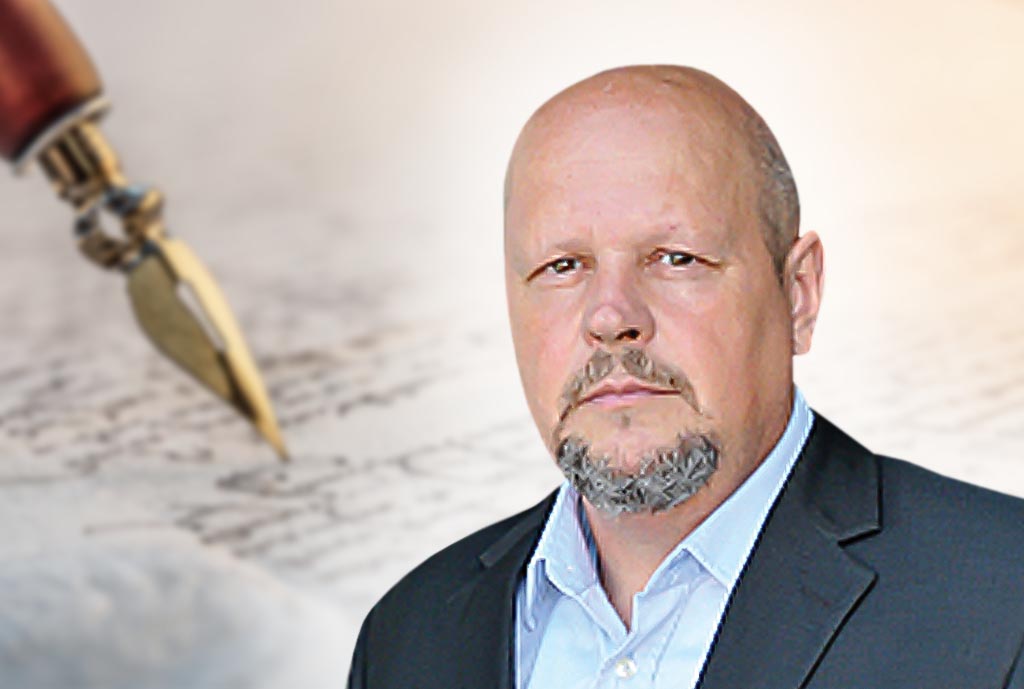
By: ddr. Štefan Šumah
Older generations may remember the term “union barons,” which was used for trade-union leaders who arrived at negotiations with Margaret Thatcher in prestigious Rolls-Royce automobiles.
The word baron evokes the feudal system, in which nobles exercised almost unlimited authority within their territories and could even exert pressure on the king himself. Similarly, these union leaders possessed the power to bring key state systems to a standstill with a single strike order, affecting everything from coal mines and power plants to public transportation and healthcare. At the same time, the term highlights the considerable gap between their personal comfort and the lives of the ordinary workers they represented. Union leaders held influential positions, enjoyed security and political prestige, and resembled a ruling class.
It is more than obvious that “union barons” also exist in Slovenia today. Let us take a closer look at the great champion of workers’ rights, Branimir Štrukelj, a union tycoon. According to publicly available information, nearly €10,000 gross flows into his pocket every month. His salary of almost €7,000 gross is close to that of government ministers. A net salary of just under €4,000 is certainly not bad, especially when others pay the taxes and social contributions while he simply receives the income. An additional €2,000 net per month comes from Štrukelj’s roles as a member of the National Council and as a supervisory board member of Modra zavarovalnica. These are very high earnings for someone who publicly presents himself as a defender of workers’ rights. The net amount goes into your pocket, while someone else pays the taxes and social contributions. And if someone else is paying your taxes, then it does not really matter how high those taxes are.
And let us not forget his real-estate holdings, which, according to publicly available information, are surely worth at least half a million euros. Nor should we overlook the fact that he is a significant individual shareholder of Delavska hranilnica d.d. Considering reports highlighted by the media, namely that when he purchased a three-bedroom apartment in 2012 the property carried neither a mortgage nor a registered loan, one could reasonably conclude that he is highly liquid or possesses substantial savings. Perhaps he ought to describe himself as a nasty capitalist rolling in money, should he not? What would a film about him be called? Perhaps Million Dollar Baby? Or better yet, The Million-Euro Tycoon.