

By: Gašper Blažič
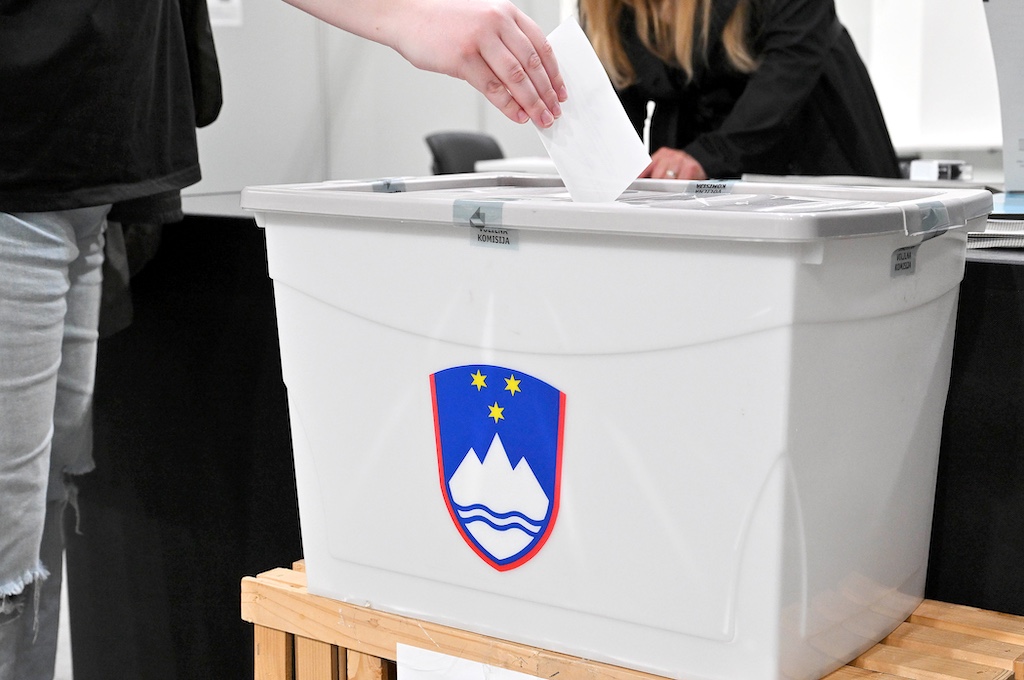
The closer the referendum gets, the clearer it becomes why the opposing camp is responding with increasing aggression. For them, this is a matter of life and death for the deep state, as the financial taps will be turned off for many.
Although three of the four referendums are merely consultative and therefore do not carry legislative force, a result unfavourable to the so-called deep state could provide the government with even greater momentum for implementing reforms, particularly regarding the financial dependence of left-leaning NGOs, which, according to the author, currently also dominate RTV Slovenia.
Abuse of the term “political police”
Let us first consider the referendum concerning the so-called “political police.” It is quite clear that this phrase is being used as a synonym for the UDBA, later known as the State Security Service (SDV). In 1996, the publishing house Veda, then the publisher of the weekly magazine Demokracija, released the book From the Archives of the Slovenian Political Police, which represented the first public insight into the operations of the UDBA. The introduction to the book was written by Dr Jože Pučnik, who had been persecuted by the UDBA from a young age. The phrase “political police” appeared in the book’s title as a clear indication that it sought to expose the unresolved remnants of the communist secret police, since many former UDBA officials had remained influential figures in Slovenian social, political, and economic life. Even in the economy. Miran Frumen, one of the principal figures involved in the operational side of UDBA repression in the JBTZ affair, later surfaced as Director of Investments at the Grand Hotel Union. Before the JBTZ affair, he was, for example, also one of the main enforcers involved in the confiscation of Mladina magazine, specifically its article Night of the Long Knives. For this reason, it is both tragic and comic to watch a group of aging left-wing intellectuals, including Pavel Gantar, Dušan Keber, and Rastko Močnik, who continue to publicly represent the former Bavčar Committee for the Protection of Human Rights while simultaneously campaigning against the law on parliamentary inquiries. Meanwhile, Franci Zavrl, with whom Demokracija recently published an interview, has found himself on the “other side” and is even a co-founder of the Institute for the Protection of Victims of Parliamentary Inquiries 2022–2026.
You can read the full article in the print edition of Demokracija!